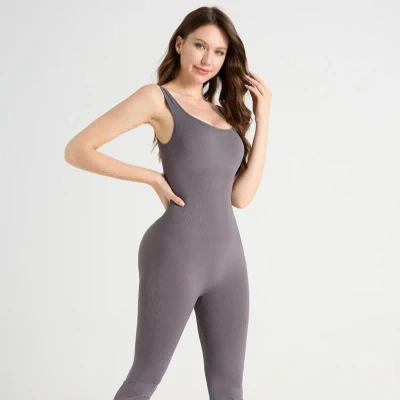
ZONA: leading Active Wear Manufacturer In China


Haining Zona Fashion Co., Ltd. was established in 2015. It is a clothing company integrating product manufacturing, research and development, and ready-to-wear sales services.
Its main products include seamless sports underwear, yoga wear sports T-shirts, and men’s and women’s corsets series. With a professional R&D and proofing team, it only takes 15-45 days to complete from development and design to finished samples to mass production.

Complete Qualifications
The company has passed some certifications, such as BSCI certificate, Oeko-tex100 certificate, FFC certificate, and certificate of origin available. The product has been certified by a third-party testing agency.


Wide Product Range
With a diverse range of active wear, sportswear, gym wear, and athletic wear, our products cater to various activities including sports, yoga, running, and gym workouts. Additionally, we offer a selection of shape wear, sun protection clothing, and quick-dry ski wear to meet all your apparel needs.


OEM & ODM Available
We specialize in delivering professional OEM&ODM services, allowing you to customize every aspect of your active wear, from color and style to size and fabric materials.


Customized Services
We provide customized services, such as labels, tags, packaging and shipping bags, logos, products, etc...


Introduction of Active Wear


Active wear is casual and comfortable clothing that is specifically designed for exercise, sports and outdoor pursuits, allowing you to actively and freely move around during strenuous physical activity. You'll typically wear this clothing to a yoga class, the gym, or a daily run. Its primary aim is functionality, and it uses lightweight, quick-drying, airy and figure-hugging material that promotes comfort and movement. It's the most popular type of clothing worn at the gym or changed into and out of at the gym. Active wear comprises fabrics with softer profiles, such as Nylon, Spandex, Lycra and other synthetic materials.


FirstLast
How Do You Cooperate With Us?
 

Fabric Selection

Choose from our range of high-quality stretch fabrics, including polyester, spandex, and nylon, ensuring comfortable and unrestricted movement. Our fabrics also feature moisture-wicking properties to keep you dry during your yoga practice.


Collar Type And Neckline

Personalize your yoga wear with options for collar styles such as crew neck or V-neck. Customize the neckline width, drop, fabric, length, and design of the neckband to suit your preferences.


Color And Decoration

Align your yoga wear with your brand's aesthetic by choosing from a variety of colors that complement your style and practice environment. Elevate the look with decorative elements such as prints, embroidery, or embellishments.


Seam Finishing

Select between single-needle or double-needle hemming to achieve your desired finish for your yoga garments.


Labeling And Printing

Add your brand label to your yoga wear, with choices for fabric, placement, and style. Additionally, incorporate custom printing or logos to showcase your brand identity.


Sizes And Grading

Ensure a perfect fit for all body shapes and needs by offering various sizes and grading options for your custom yoga wear.


Features of Active Wear


Breathability:

Activewear fabrics are often engineered to allow for airflow, promoting ventilation and enhancing breathability. By facilitating air circulation, these fabrics help to regulate body temperature, keeping the wearer cool and preventing sweat buildup, even during intense physical activity.

Stretchy Fabrics:

The inclusion of stretchy materials like spandex, elastane, or lycra in activewear ensures optimal flexibility and range of motion. Whether performing dynamic movements or holding challenging yoga poses, these fabrics allow for unrestricted movement, providing comfort and support throughout various exercises.

Lightweight Design:

Activewear is intentionally designed to be lightweight and non-bulky, minimizing distractions and allowing for effortless movement. This lightweight construction enhances agility and comfort, enabling wearers to focus on their workout without feeling encumbered by their clothing.

Seamless Construction:

Activewear often features seamless or flat-seam construction to minimize friction against the skin. By eliminating bulky seams that can cause irritation or chafing, seamless activewear enhances comfort and ensures a smooth, streamlined fit that moves with the wearer.

Quick-Drying Properties:

Many activewear fabrics boast quick-drying properties, enabling rapid moisture evaporation and reducing drying time between workouts. This feature is particularly beneficial for individuals with active lifestyles who engage in multiple exercise sessions throughout the day, ensuring that their activewear remains dry and comfortable.


Easy Care:

Activewear is typically designed for easy care and maintenance, often being machine washable and resistant to wrinkles. This convenience factor simplifies the upkeep of activewear, allowing wearers to focus on their fitness goals without worrying about complex laundering instructions.


Pockets:

Incorporating pockets into activewear, including discreet pockets in leggings or shorts, provides practical storage solutions for essentials such as keys, phones, or small accessories. These functional features enhance convenience and utility, allowing wearers to keep their hands free during workouts.


Supportive Features:

High-quality activewear often includes supportive elements such as compression panels, built-in bras, or adjustable straps to provide additional support and stability during high-impact activities. These supportive features help to minimize discomfort and enhance performance, particularly for activities involving jumping or intense movement.


Anti-Odor Properties:

Some activewear fabrics are infused with anti-microbial agents that inhibit the growth of odor-causing bacteria, helping to keep clothing fresh and odor-free even after intense workouts. This feature contributes to wearer confidence and comfort, ensuring that activewear remains pleasant to wear throughout extended exercise sessions.


Reflective Details:

Activewear may feature reflective elements such as piping, logos, or trim to enhance visibility during low-light conditions, such as evening or early morning workouts. These reflective details improve safety by increasing the wearer's visibility to motorists and other pedestrians, reducing the risk of accidents or collisions.


Materials Used in Active Wear


Polyester Fabrics

Polyester is one of the most versatile fabrics in the garment world. It’s popular for not just its durability, but its exceptional comfort and performance. Traditional polyester fabrics are made with plastic fibers, making them lightweight, resilient, and resistant to wrinkles.

Polyester can also have excellent moisture-wicking properties. If you want to take your polyester active wear to the next level, consider choosing an eco-friendly polyester fabric, made with recycled materials, to reduce your carbon footprint.

 
Nylon Fabrics

Another example of a synthetic fabric, ideal for gym clothes, nylon was initially created to help produce women’s stockings. However, its versatility, stretch, and lightweight nature also make it perfect for athletic apparel.

Nylon fabrics are ideal for leggings, shirts, and accessories. Plus, they’re highly elastic, quick drying, and resistant to bacteria and mildew. The best nylon materials even help to draw sweat away from the skin, and provide wearers with an excellent level of breathability.

 
Spandex Fabrics

Probably one of the best-known fabrics for workout clothing, spandex materials have taken the athletic industry by storm. The biggest benefit of these fabrics is their ability to stretch, offering exceptional mobility and freedom of motion.

While spandex fabrics may not be as effective at removing moisture as some other alternatives, they’re great for comfort and smooth movement. Just make sure you provide your customers with tips on how to look after their spandex, so it doesn’t stretch out over time.

 
Bamboo

One of the eco-friendlier materials on our list, bamboo is an environmentally friendly and comfortable material, used in a variety of different environments. Bamboo pulp creates a lightweight natural fabric, with excellent moisture wicking properties.

Although Bamboo materials can be a little more expensive than alternatives, they’re a great way to differentiate your shop from other clothing brands. The right bamboo clothing can offer a range of great benefits to customers, from odor resistance to temperature regulation. Plus, bamboo fabrics are wonderfully soft and resilient.

 
Thermal Fabrics

Thermal fabrics are fantastic for keeping your customers warm in cold weather. They’re a little softer and denser than other durable fabric options. They’re also perfect for intense outdoor exercises, like skiing and hiking. Though these thick fabrics can retain warmth, they’re also ideal for wicking away sweat and offering great breathability.

Many thermal fabrics, such as fleece, can be susceptible to piling, due to their extra-soft surface. However, you can experiment with different options to create hoodies, shirts, shorts, and other products that offer amazing comfort with great durability.

 
Seamless Knit Fabrics

Seamless clothing has become a must-have in the active wear industry. Seamless tops and leggings are ideal for all kinds of sports and activities, as they reduce the risk of chafing, and give your customers a more comfortable experience.


Difference Between Sportswear and Active Wear
Bra And Leggings
 

Durability

There are a few key differences between sportswear and active wear in terms of durability. Firstly, sportswear is typically made from thicker, more durable fabrics that withstand more wear and tear. On the other hand, active wear is often made from lighter, more breathable fabrics that may not be as durable. Secondly, sportswear is usually designed to be more supportive and provide more coverage than active wear. This means that it can better protect the skin and muscles from impact and injury. Finally, sportswear is often made with reinforced seams and stitching to further increase its durability.

Sports Bra And Yoga Pants Set
 

Comfort

The main difference between sportswear and active wear is the level of comfort they provide. Sportswear is intended to be comfortable enough to be worn during strenuous physical activity, whereas active wear is designed to be worn all day. Active wear is also usually made from more breathable materials, which helps to keep the body cooler during exercise.
In any sportswear, the fabric’s comfort, usefulness, and thermal qualities take precedence over the garment’s versatility.

Sports Bra For Wide Set Breasts
 

Fashion

When it comes to fashion, there is a big distinction between sportswear and active wear. Sportswear is typically more fitted and tailored, while active wear is looser and more comfortable. The colors and patterns of sportswear are also usually more subdued, while active wear can be brighter and more eye-catching.
Sportswear is usually designed with a specific purpose in mind, such as being worn for a tennis match or for running a marathon. Active wear, on the other hand, is meant to be versatile and can be worn for a variety of activities, from going to the gym to going for a walk.
The materials used in sportswear are often different from those used in active wear. Sportswear is often made from synthetic materials that wick away sweat, while active wear is often made from natural fibers that are more breathable.
The fit of sportswear is usually more form-fitting than active wear. This helps to reduce drag when moving and also ensures that the clothing does not get in the way of performance. Active wear, on the other hand, is often more relaxed-fitting so that the user can move and breathe easily.

Sports Bra Underwear Set
 

Breathability

When it comes to breathability, there are two main types of fabrics: natural and synthetic. Natural fabrics, like cotton, allow the skin to breathe by absorbing moisture and allowing air to circulate. Synthetic fabrics, like polyester, are designed to wick moisture away from the skin and help the fabric dry quickly.
Active wear is typically made from synthetic fabrics because they offer the best breathability and moisture-wicking properties. Sportswear, on the other hand, can be made from either natural or synthetic fabrics. The type of fabric chosen for sportswear will depend on one’s personal preferences and the activity a user is participating in.


The Ultimate Guide to Choosing the Right Activewear for Your Workout
 

Choosing the right activewear isn’t just about style—it’s about performance, comfort, and supporting your fitness goals. Whether you’re hitting the gym, going for a run, or flowing through a yoga session, the right activewear can make a significant difference in your workout experience.

1. Consider Your Activity

The first step in choosing activewear is considering the type of activity you’ll be doing. Different workouts require different types of support and flexibility. Here are a few examples:

  • High-Intensity Workouts: Opt for supportive sports bras and leggings with moisture-wicking properties to keep you dry and comfortable.
  • Yoga and Pilates: Look for stretchy, breathable fabrics that allow for freedom of movement and comfort in various poses.
  • Running: Choose activewear with compression features to support muscles and reduce fatigue, along with reflective elements for safety in low-light conditions.

2. Fabric Matters

The fabric of your activewear plays a crucial role in its performance and comfort. Here are some common fabric choices and their benefits:

  • Moisture-Wicking Fabrics: Ideal for intense workouts as they draw sweat away from the skin, keeping you cool and dry.
  • Compression Fabrics: Provide muscle support and help reduce muscle fatigue during high-impact activities like running or cross-training.
  • Breathable Fabrics: Ensure airflow to prevent overheating during workouts.

3. Fit and Comfort

Activewear should fit comfortably without restricting movement. Consider these fit tips:

  • Sports Bras: Should provide adequate support without causing discomfort or chafing. Look for adjustable straps and a snug band.
  • Leggings: Should fit like a second skin, offering compression and a high waistband for support and coverage.
  • Tops: Choose styles that allow for full range of motion and are made from stretchy, breathable fabrics.

4. Functionality and Features

Look for activewear with additional features that enhance performance and convenience:

  • Pockets: Handy for storing keys, cards, or your phone during workouts.
  • Reflective Elements: Important for safety during outdoor activities, especially in low-light conditions.
  • Seamless Construction: Minimizes chafing and irritation, ideal for long-duration workouts.
 
Certifications


productcate-1-1


Common Problems of Active Wear


Q: What are the key differences between active wear and athleisure?

A: Active wear can be worn for both active and casual activities. It's suitable for exercise and then the transition to casual wear. Athleisure sits at the crossroads where traditional sportswear meets active wear, originally designed as daytime or leisurewear but ultimately adapted for more formal situations.
Active wear is more stylish and versatile, comfortable and functional. However, athleisure tends to be more popular because it combines the aesthetics of both fashion and sport. While fashion boosts sports' respectability, sports bring practicality and function to the fashion sector.

Q: What material is active wear made of?

A: Sportswear is commonly made from a variety of materials and blends, the most popular includes polyester, nylon, and spandex. These synthetic fibers are lightweight, durable, and moisture-wicking; ideal for active wear. A rising trend is replacing synthetic fibers with recycled and natural fibers.

Q: What is the difference between gym wear and activewear?

A: Activewear clothes have more flexibility and style along with functionality and comfort. Sportswear clothes are less flexible and are more focused on comfort, functionality, and thermal functions of a fabric.

Q: What is the difference between sports and active wear?

A: “Sportswear” refers to clothes designed specifically for sports purposes, while “activewear” refers to attire or clothes designed for the purpose of transitioning from exercise wear to casual wear.

Q: Why is activewear important?

A: Wearing sportswear during training can significantly reduce the DOMS (Delayed Onset Muscle Soreness) and muscle cramps compared to wearing non-specific clothing that may look like activewear but was not made with physical activity in mind.

Q: What does active wear do?

A: Activewear is casual and comfortable clothing that is specifically designed for exercise, sports and outdoor pursuits, allowing you to actively and freely move around during strenuous physical activity. You'll typically wear this clothing to a yoga class, the gym, or a daily run.

Q: How does activewear make you feel?

A: First, activewear is designed to be more comfortable and breathable than casual wear, which is important when you're working up a sweat. Second, activewear is often more form-fitting than casual wear, which can help you feel more supported and motivated to push yourself during your workout.

Q: Does activewear keep you warm?

A: Owning activewear with insulation is one of your best investments when it comes to staying fit especially during cold weather. They help you sweat outside while keeping the cold outside from freezing you into “inactivity”.

Q: Why is activewear so tight?

A: The tighter fitting clothing also has compression qualities, which helps to increase your circulation, making it a better option for working out.

Q: Are leggings considered activewear?

A: Examples of activewear include sports bras, compression clothing, moisture-wicking tank tops, gym leggings with pockets, and athletic shorts. While athleisure and activewear do overlap in style and fabrics, their intended use differentiates them.

Q: Is Active Wear necessary?

A: The appropriate training attire is essential since it may significantly enhance your performance. You may be able to retain regularity and adhere to your programme more readily. Most importantly, it maintains you secure and at ease as you exercise.

Q: How do I choose activewear fabric?

A: You want something soft but also malleable and stretch resistant so you have full mobility when taking part in strenuous activity. Weight and Durability – functional clothing has to be hard-wearing as the material is put under significant stress during exercise and sporting activities.

Q: Is nylon or polyester better for activewear?

A: Polyester is the workhorse of the workout fabrics and the one you see on labels most often. Basically plastic cloth, it's durable, wrinkle-resistant, lightweight, and non-absorbent, which means that moisture from your skin evaporates instead of being drawn into the material.

Q: How do I choose good active wear?

A: Look for a synthetic fiber that will allow your skin to breathe by wicking drawing the sweat away from your body. This will help keep your body cool while you exercise. Polyester, Lycra and spandex work well. Look for clothing that is made from polypropylene.

Q: Should you size up or down in activewear?

A: It really depends on your body type. If you have a curvier figure, then it might be a good idea to size up in leggings so that they fit better and don't squeeze your curves too much. However, if you're more slender, then you might want to size down so they're not as baggy.

We're professional active wear manufacturers and suppliers in China, specialized in providing the best custom service. We warmly welcome you to buy or wholesale high quality active wear at competitive price from our factory.

Women's Novelty Underpants, High Waisted Control Underwear, Bounce Bras